Attic Pest Control in Windsor, ON
If you need pest control Windsor homeowners can rely on, attic issues deserve prompt attention. An attic infestation is more than a nuisance: it can lead to contamination, odor issues, damaged insulation, and even health hazards. In Windsor, Ontario, attic pest control is especially important because local homes face seasonal pest pressure from rodents and wildlife moving in and out of roof spaces throughout the year.
From lake-effect winters that push animals indoors to older rooflines in many Windsor neighbourhoods that create hidden entry points, attic pests are a common issue across the city and nearby Essex County. Whether you are hearing scratching at night or finding rodent droppings near insulation, a professional inspection and targeted wildlife control plan can protect your property.
Reasons why Attic Pests Are Common in Windsor
Windsor’s climate and housing stock make attics a common target for pests. During Windsor, ON winters, cold lake-effect weather and wind can drive mice, rats, and squirrels into warm hiding spots. When temperatures drop, animals look for warmth, nesting material, and secure places to rear young. That is why attic pest issues often rise during seasonal infestations in colder months.
The city’s historic homes and older rooflines also add to the problem. Many properties in Windsor have worn soffits, worn fascia, loose shingles, and small gaps around vents that create clear entry points for pests. Add the area’s proximity to the Detroit River, nearby green corridors, and urban tree cover, and you have many routes for wildlife to reach roofs and attic spaces. Squirrels and even birds often travel along tree branches, while raccoons and skunks can work their way toward garages, eaves, and crawl-access areas.
In spring and fall, Essex County weather changes can raise attic activity again. As animals search for breeding sites or temporary shelter, they move into roof cavities, insulation, and voids under eaves. This is why attic pest control in Windsor is not just a winter issue; it is a ongoing property protection concern.
Typical Attic Invaders in Windsor Homes
Various species commonly invade attics across the city. Every one causes various damage, and each requires a particular approach to rodent control or wildlife exclusion.
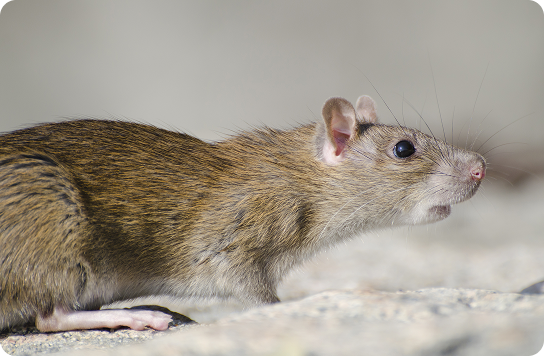
Mice are one of the most common attic pests in Windsor. They can enter through very small gaps and quickly build nests using attic insulation, paper, and other soft materials. Their https://www.google.com/search?kgmid=/g/11sqkdg6q_&uact=5#lpstate=pid:-1 activity often leaves chew marks, rodent droppings, and torn-up nesting material.
Rats are not as discreet and usually cause heavier damage. They chew wiring, insulation, and structural materials, which can create fire risks and increase repair costs. Rats are also known for strong odors and contamination concerns.
Squirrels are especially common in neighbourhoods with mature trees and older rooflines. They can enter through damaged soffits, roof vents, and weak spots near the eaves. Once inside, they may tear up insulation, store food, and create noisy activity during the day.
Bats can also use small gaps in attic structures. While they may not damage materials the same way rodents do, their presence can create odor, contamination, and health-related concerns. Because bats are wildlife, safe handling and legal compliance are important parts of the removal process.
Other wildlife such as raccoons and skunks can also affect attics or adjacent roof spaces. Raccoons are powerful and can tear open weak roof sections, while skunks typically cause issues near foundations or lower access points but may still contribute to broader wildlife pressure around the home. In many cases, an attic problem is part of a larger wildlife control challenge on the property.
Warnings You Need Pest Control in Windsor
Catching the problem early is the smartest way to reduce damage. If you see any of the following signs, it may be time for expert pest control Windsor help:
- Droppings in the attic, along beams, near insulation, or around access openings
- Gnaw marks on wood, wires, stored items, or vent materials
- Scratching noises coming from the ceiling, walls, or roof space, especially at dawn, dusk, or overnight
- Insulation damage caused by nesting, tunneling, or compressed and contaminated attic material
You may also notice tracks in dusty areas, damaged ducting, urine staining, or signs of entry around roof edges. Strong smells can point to contamination or a dead animal in the attic, which often requires odor removal and sanitization.
Many homeowners in Windsor first notice the problem through noise rather than visible evidence. Mice and squirrels can be active before they leave obvious signs, while rats may remain hidden until the infestation becomes more established. If you suspect activity, a full damage assessment is the safest next step.
How Loft Pest Management Works
Reliable attic pest control is more than using traps. A specialized process usually begins with a detailed inspection of the roofline, attic, and exterior. This is where experienced technicians identify the pest species, the scope of the infestation, and the most likely entry points.
Inspection typically includes checking roof vents, soffits, fascia, gaps near chimneys, utility openings, and transitions where different building materials meet. In Windsor’s older housing stock, these weak spots are common. Once access routes are identified, the next step is exclusion, also known as entry sealing or rodent proofing.
Exclusion means sealing shut access points so pests cannot return. This may include installing reinforced mesh on vents, repairing damaged roof sections, sealing gaps with durable materials, and improving weatherproofing around vulnerable edges. For wildlife, exclusion is usually paired with humane removal or humane trapping so animals can be cleared from the attic before openings are sealed.
After removal and sealing, sanitation becomes critical. That includes cleaning contaminated surfaces, removing nesting debris, treating affected areas, and addressing contamination from droppings and urine. In some cases, professional sanitization and odor removal are needed to restore the attic environment and reduce lingering attractants.
Professional service often includes repair recommendations and preventative maintenance guidance. The goal is not just extermination; it is long-term property protection through a complete pest management plan.
Why exactly DIY Attic Pest Removal Usually Fails
DIY approaches may seem less expensive at first, but attic pest problems often come back when the underlying issue is not resolved. Many homeowners use traps or repellents without repairing access points, which leaves the home open to new intrusions. That is why recurrence is so frequent after a do-it-yourself attempt.
There are also serious safety risks. Working in an attic can expose you to insulation dust, contaminated droppings, sharp nails, poor footing, electrical hazards, and the possibility of encountering aggressive wildlife. Handling bats, raccoons, or skunks without training can be especially risky. Even small rodent infestations can create health hazards if droppings and nesting debris are disturbed incorrectly.
Another issue is humane removal. Wildlife should be managed carefully, especially when young animals are present. Improper trapping or sealing can trap animals inside the attic, create odor problems, or force pests into wall cavities. A professional approach combines wildlife control, exclusion, and sanitation so the problem is handled responsibly and thoroughly.
DIY solutions rarely address hidden damage either. Without a careful inspection and damage assessment, you may miss insulation contamination, chewed wiring, or secondary entry routes. For attic pests, short-term fixes usually fail because the property still offers food, warmth, and access. Professional pest control reduces the chance of repeat infestation and protects the structure over time.
Stopping Later Attic Intrusions
Once the attic is clear, prevention becomes the main focus. Homes in Windsor gain from a blend of structural maintenance and seasonal monitoring. Because the area experiences freezing winters, wet transitions, and spring/fall wildlife movement, preventative maintenance should be part of your yearly home care routine.
Important prevention steps include:
- Screening vents to stop intrusion through roof vents while preserving ventilation
- Roof maintenance to fix lifted shingles, damaged flashing, and soft spots around the eaves
- Weatherstripping around gaps and access doors that may provide entry for pests
- Yard maintenance to reduce branches touching the roof, remove clutter, and reduce movement corridors
Proper weatherproofing is important too. Closing openings, replacing worn materials, and keeping roof edges tight can help significantly. Trimming trees back from the house helps reduce access for squirrels, while keeping firewood and outdoor debris away from exterior walls can discourage rodents and other wildlife.
If you live near the Detroit River corridor or in a neighbourhood with heavy tree cover, seasonal monitoring is particularly helpful. Such locations can see more wildlife movement, and the combination of urban habitat and shelter opportunities can increase the pressure on attics. Frequent inspections after major storms, snowfall, or wind events can catch damage before it turns into a full infestation.
Choosing a Nearby Windsor pest control Service
When choosing a company for attic and wildlife issues, regional experience matters. A dependable provider of Windsor pest control understands how older properties, regional weather conditions, and regional wildlife patterns affect attic access and long-term prevention. Look for licensed pest control technicians who are trained in both rodent and wildlife work, not just basic trapping.
Ask whether the business provides a full approach that covers inspection, exclusion, cleanup, and repair advice. That set is crucial because taking out animals without sealing the home only addresses part of the issue. A strong local service should know attic pest control from beginning to end, including how to handle contamination, insulation contamination, and recurring pressure from nearby wooded areas.
It is also smart to ask about service guarantees. A guarantee demonstrates that the company stands behind its work and is willing to address return activity if something was missed. In a place like Windsor, where seasonal migration and weather-driven movement can be intense, a reliable follow-up policy adds genuine value.
Pick a provider that outlines its process in detail, records findings, and supplies a useful strategy for home protection. Top teams pair local care with professional-grade exclusion work, rodent control, and decontamination support. This method is usually better than quick extermination alone.
In Windsor attics, the best results come from a full approach: inspection, gentle removal, exclusion, and sanitation backed by licensed pest control technicians.
FAQ About Attic Pest Control in Windsor
How do I know if I have pests in my attic in Windsor?
Common warning signs include scratching sounds, droppings from rodents, bite marks, insulation damage, and strange odors. You might also see nesting debris near vents or entry points around roof edges. If you live in Windsor, Ontario and see any of these issues, a expert inspection can verify whether you have an infested situation and identify the kind of pest involved.
What pests are typically found in attics in Windsor, ON?
The most common attic pests in Windsor, ON include mice, rats, squirrels, and bats. Depending on the property and location, raccoons and skunks may also increase wildlife pressure around the home. Older rooflines, nearby trees, and the city’s seasonal pest pressure can make these problems more common.
How much does attic pest control in Windsor usually cost?
Inspection costs and treatment pricing are influenced by the pest, the size of the attic, the number of entry points, and whether sanitation or repair work is needed. A simple rodent issue may cost less than a wildlife removal case with insulation contamination and repair recommendations. For the most accurate estimate, arrange an on-site visit from a Windsor pest control provider.
Can pest control remove wildlife from an attic safely and humanely?
Yes. Professional wildlife control can use humane removal methods such as humane trapping, followed by exclusion to prevent re-entry. This is especially important for bats, raccoons, squirrels, and other wildlife. Licensed pest control technicians know how to handle the process safely while limiting stress for the animals and protecting your home.
How can I keep pests from returning to my attic after treatment?
The best prevention plan includes entry sealing, vent screening, roof repairs, weatherstripping, and regular preventative maintenance. Yard maintenance also helps by reducing access routes from trees and clutter near the house. Because Windsor experiences cold winters and active spring and fall movement, seasonal checks are a smart way to reduce the chance of recurrence.
Mosquito Man Windsor
2485 Front Rd, LaSalle, ON N9J 2C5, Canada
+1 226-526-4711
https://maps.app.goo.gl/JwhSC65zfbLWNH6v7
https://mosquitoman.ca/pest-control/windsor/
42.2161228, -83.1003005