Pest Treatment for Infestations in North York: What Every Homeowner Should Know
If you need pest control North York services, the proper strategy depends on the kind of infestation, the property layout, and how quickly the problem is handled. In North York, ON, pest issues often spread faster than people realize because homes, apartments, and commercial spaces are tightly connected. A practical pest infestation treatment plan focuses on inspection, sanitation, sealing, and ongoing monitoring so the problem does not reappear.
North York is a varied Toronto district with a mix of condominiums, townhomes, detached homes, and busy commercial strips. That mix creates different pest pressures in different places. Shared walls, food service waste, and seasonal weather changes all affect where pests settle, how they travel, and how difficult they are to remove. Whether you are dealing with cockroaches, mice, rats, or other pests, the goal is always the same: stop nesting, limit contamination, and prevent recurrence.
Common Pest Issues in North York Homes and Buildings
Homes and buildings across North York experience a wide range of pest issues, especially in shared-unit and mixed-use areas. The main calls for extermination and rodent control often concern cockroaches, mice, rats, and bed bugs, but other invaders can appear too. Ants, wasps, silverfish, fleas, and moth infestations also afflict both residential and commercial properties.
Cockroaches often thrive in temperate, hidden harborage areas like kitchens, utility rooms, and wall voids. They are highly problematic where food debris, moisture, and clutter create ideal conditions. In apartment buildings and condominiums, they can move through shared plumbing and electrical gaps.
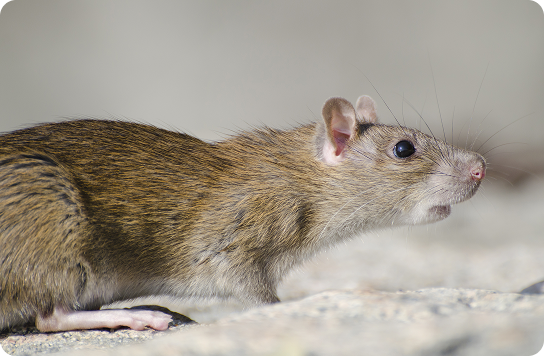
Mice and rats are a different kind of concern because they often enter through small entry points near foundations, doors, vents, and utility penetrations. Once inside, they may leave droppings, create burrows, and damage stored food, wiring, and insulation. In detached homes and low-rise buildings, rodents often hide in basements, garages, and attic spaces.
Bed bugs are a further frequent issue in North York because they spread easily through luggage, furniture, and walls in densely occupied buildings. Shared hallways, laundry areas, and adjacent units can make bed bug eradication more challenging if action is delayed.
Other insects like ants, wasps, and silverfish may seem less serious at first, but they can still signal a broader sanitation or moisture issue. A spike in fleas may point to pets, wildlife access, or an untreated nesting source. Moth infestations are often tied to stored fabrics, closets, or pantry goods and can be especially frustrating in homes where long-term storage is common.
Indicators You Need Pest Control in North York
Spotting warning signs early can prevent a small problem from becoming a major infestation. A single of the most obvious signs is seeing live pests, but many situations begin with subtle clues. Common indicators include droppings, gnaw marks, musty odours, and visible property damage.

Droppings are a key clue for both rodents and cockroaches. Mouse droppings are typically small and pointed, while rat droppings are larger. Finding them near food, along baseboards, or behind appliances suggests active movement and possible nesting nearby.
Gnaw marks often indicate rodents. Mice and rats chew through packaging, wood, plastic, and even soft building materials. You may notice shredded paper, chewed corners on food boxes, or damaged wiring. These signs are not only annoying; they can create fire hazards and contamination risks.
Musty odours can point to hidden pest activity, especially in enclosed or poorly ventilated spaces. A persistent smell may come from rodent urine, cockroach activity, damp nesting material, or decaying food. Odour is often one of the first signs property owners notice before the infestation is fully visible.
Property damage can take many forms: torn insulation, stained drywall, damaged baseboards, and compromised food storage areas. In commercial settings, damage may also affect inventory, fixtures, or sanitation compliance. If you manage a restaurant, plaza unit, or office in North York, even a small pest problem can quickly affect operations and reputation.
Other warning signs include scratching in walls, grease trails, shed skins, live insects in sensitive areas, and recurring activity after cleaning. If these signs continue, the issue likely requires professional pest infestation treatment rather than short-term cleanup.
How Infestation Treatment Works
Proper management is not just spraying a visible pest and hoping for the best. A full service typically begins with a careful inspection, followed by identification of the pest species, targeted treatment, and follow-up monitoring to limit recurrence.
The inspection stage helps identify entry routes, nesting zones, food sources, and moisture issues. A licensed pest control technician will look for signs of infestation in kitchens, basements, utility rooms, storage spaces, and exterior access points. In multi-unit buildings, the inspection may also include shared corridors, garbage enclosures, and mechanical rooms.
After inspection comes identification. This is important because the correct method for cockroaches is not the same as the method for rodents or bed bugs. Knowing whether the problem involves mice, rats, cockroaches, or another pest allows for a more accurate and efficient response.
Targeted treatment is then selected based on the pest, the property type, and the level of activity. A technician may use baiting, trapping, residual products, non-toxic options in sensitive areas, or heat depending on the situation. The goal is not just removal, but eradication of the active population and reduction of conditions that allow it to return.
Follow-up monitoring is essential because many pests hide well or reproduce quickly. Monitoring traps, checking treatment zones, and reassessing activity can reveal whether the plan is working. In larger buildings and commercial environments, follow-up service may be the difference between a controlled issue and a recurring one.
Control Choices for Various Pests
Various pests demand varied tools. A strong treatment plan may combine baiting, traps, sprays, and heat treatment, depending on the pest and the setting. The most effective pest control North York strategy is usually combined rather than relying on a single product.
Baiting is often used for cockroaches and rodents. Bait stations place attractants in strategic locations so pests carry the treatment back to nesting areas. For rodents, tamper-resistant bait stations may be set outdoors or in protected service areas where activity is confirmed. For cockroaches, gel baits and bait placements are often applied in kitchens, behind appliances, and in cracks where pests travel.
Traps are especially effective for mice and rats. Snap traps, multi-catch traps, and monitoring devices can help gauge population size and decrease activity quickly. In homes and commercial kitchens, trap placement should be strategic so it addresses movement patterns without disrupting daily operations.
Sprays may be used in targeted locations for insects such as ants, wasps, silverfish, and some cockroach situations. These treatments are most effective when used with an understanding of pest behaviour, because broad spraying alone rarely solves an infestation. In fact, indiscriminate product use can sometimes drive pests deeper into hidden areas.
Heat treatment is a common option for bed bugs. This approach raises temperatures in affected rooms to levels that kill bed bugs in all life stages when done correctly. Heat treatment can be highly effective in apartments and condominiums, but it requires careful preparation, professional equipment, and post-treatment inspection to confirm success.
For many infestations, https://richmond-hill-onyi617.publishlane.com/posts/pest-control-in-north-york-local-service-guide-for-homeowners the best results come from integrated pest management rather than one-off extermination. That means combining treatment with sanitation, exclusion, and ongoing monitoring. This reduces contamination, cuts down nesting opportunities, and improves long-term control.
Why North York Properties Deal With Pest Pressure
North York properties deal with specific pressure because the area blends dense housing, active retail corridors, and fast-moving food service activity. High-density housing boosts the chance that pests move between units, especially in older buildings or shared structures. In condominiums, shared walls, utility chases, and common garbage areas can make pest spread easier if one unit has an issue.
Nearby restaurant waste also plays a major role. Busy plazas, takeout counters, and food preparation areas can attract rodents and insects if waste is not sealed, stored, and removed properly. Commercial kitchens produce strong food sources and sheltered access points, which is why service demand is often high in these areas.
Seasonal temperature changes matter too. Cold Ontario winters often drive mice and rats indoors in search of warmth and food, while warmer months increase insect activity. Spring and summer can bring more ants, wasps, and flying insects, while damp or humid conditions can encourage silverfish and other moisture-loving pests.
Because North York includes a mix of residential, commercial, and transit-connected areas, pests can travel easily between buildings and nearby waste zones. This is especially important around commercial strips, apartment clusters, and properties close to busy roads or restaurant corridors. A local response must account for both the building and the surrounding environment.
Preventing Future Infestations in North York
Being proactive is the most reliable way to keep pests from coming back. Once an infestation is treated, the next step is reducing the conditions that supported it in the first place. That means focusing on sealing entry points, sanitation, waste management, and moisture control.
Sealing entry points is one of the essential exclusion steps. Small gaps around doors, windows, pipes, vents, and foundation cracks can allow rodents and insects to enter. Weatherstripping, caulking, mesh screens, and repair work can stop access and reduce nesting opportunities.
Sanitation helps remove food and shelter. That includes cleaning crumbs, storing food in sealed containers, reducing clutter, and vacuuming regularly. In kitchens and storage rooms, even minor debris can attract cockroaches, ants, and mice. In commercial settings, daily cleaning and sanitization routines are essential for compliance and prevention.
Waste management should be consistent and secure. Garbage bins need tight-fitting lids, regular removal schedules, and proper storage away from building entrances where possible. In North York, poorly managed waste around plazas, laneways, and restaurant loading areas can quickly draw in rodents and insects.
Moisture control is just as important. Leaks under sinks, condensation near pipes, damp basements, and poor ventilation all create favorable conditions for pests like cockroaches and silverfish. Repairing leaks, improving airflow, and drying problem areas quickly can lower harborage and contamination risk.
Preventing recurrence also means staying alert. Regular inspection of basements, kitchens, utility closets, and storage rooms can detect early warning signs before a new infestation develops. For property managers, a written maintenance routine can help keep residential and commercial spaces protected.
When to Call a Professional Pest Control Service
Some instances can be dealt with with basic cleanup and precaution, but many need a trained service. You should reach out to a licensed exterminator when the infestation is expanding, the source is concealed, or the pest poses health risks. Professional pest control North York services are especially valuable when activity repeatedly returning after DIY measures.
A professional approach uses integrated pest management, which blends inspection, treatment, exclusion, and monitoring rather than relying on chemicals alone. This is often the most reliable path for apartments, houses, and commercial sites because it targets the cause of the problem, not just the symptoms.
Another reason to call in help is infestation severity. Substantial numbers of droppings, ongoing sightings, strong odours, or evidence of nests and burrows usually indicate a more advanced issue. Bed bug problems, widespread cockroach activity, and active rodent movement often escalate quickly without professional intervention.
Health risks are also a major factor. Rodents can contaminate food and surfaces, cockroaches can aggravate allergies in some settings, and bed bugs can create stress and sleep disruption. In commercial kitchens, pest issues may also affect compliance, staff safety, and customer confidence.
Professional service is especially important if the infestation involves a shared building, a food-handling business, or sensitive areas where non-toxic or carefully controlled methods are needed. A licensed pest control technician can match the treatment plan to the property, the pest, and the level of urgency.
Local Considerations for Pest Control in North York, ON
Choosing pest control in North York, ON means thinking about local building types and local rules. Toronto bylaws and property standards can affect how waste is stored, how nuisance pests are managed, and what responsibilities fall on owners, landlords, and businesses. For commercial spaces, compliance matters as much as eradication.
Area residential areas each bring distinct risks. Detached homes may face basement or roof-space rodent issues, while apartment towers and condominiums often deal with movement through shared walls, laundry room activity, and building-wide spread. Townhomes and stacked units can also form hidden access routes between connected spaces.
Commercial properties in North York, especially food-related businesses and service centres, face pressure from food waste, loading areas, and high customer turnover. Commercial kitchens need ongoing sanitation, staff training, and monitoring to stay ahead of pests that are drawn to food and moisture.
Seasonal service demand is another local factor. Rodent calls often rise when weather gets colder, while insect-related service requests can increase in warmer months. This means scheduling early can matter, especially during peak periods when many properties are seeking inspection and treatment at the same time.
Because North York is such a mixed-use district, the best service providers understand how to adapt treatment for residential units, apartment complexes, retail corridors, and food businesses. Local experience helps technicians interpret signs correctly, locate high-risk access points, and recommend practical prevention steps for the building type.
Frequently Asked Questions About Pest Infestation Treatment
How much does pest control in North York usually cost?
Cost factors depend on the type of pest, the size of the property, the level of infestation, and whether follow-up service is needed. A mouse issue in a small home may cost less than a bed bug treatment in a large condominium or a recurring issue in a commercial kitchen. Inspection findings, access challenges, and whether exclusion or sanitation work is required can all affect pricing.
How long does pest infestation treatment take to work?
The treatment timeline varies by pest and method. Some rodent and insect issues improve quickly after baiting, traps, or targeted treatment begin, while bed bugs and larger infestations may require multiple visits and follow-up monitoring. The most important factor is whether the source, entry points, and nesting areas are addressed, not just the visible pests.
Is do-it-yourself pest management effective for mice, cockroaches, or bed bugs?
Do-it-yourself methods can help with light infestation, but they are often unreliable for established infestations. Mice and rats can outsmart poorly placed traps, cockroaches hide in sensitive areas, and bed bugs are especially difficult to eliminate without professional heat treatment or a coordinated plan. Self-applied may reduce numbers temporarily, but professional support is usually better for long-term eradication and prevention.
What should I do before a pest control technician arrives?
Before the appointment, open up access to problem areas, take away clutter where possible, store food securely, and avoid using random sprays that could interfere with inspection. If you have seen droppings, gnaw marks, or nesting evidence, try to note the locations. In apartments or condos, let building management know if the issue may affect shared spaces. Good preparation helps the technician inspect efficiently and apply targeted treatment.
Do pest control services in North York offer follow-up or warranty coverage?
Many expert services include follow-up service or a warranty period, especially for common infestations such as rodents, cockroaches, and bed bugs. Coverage often depends on the pest type, property conditions, and whether recommendations like sanitation and exclusion were completed. Always ask what the warranty includes, how monitoring is handled, and what recurrence conditions might void coverage.